
Lightweight Tent Bundle: A Framework for Building a Minimalist Outdoor Kit
Framework overview
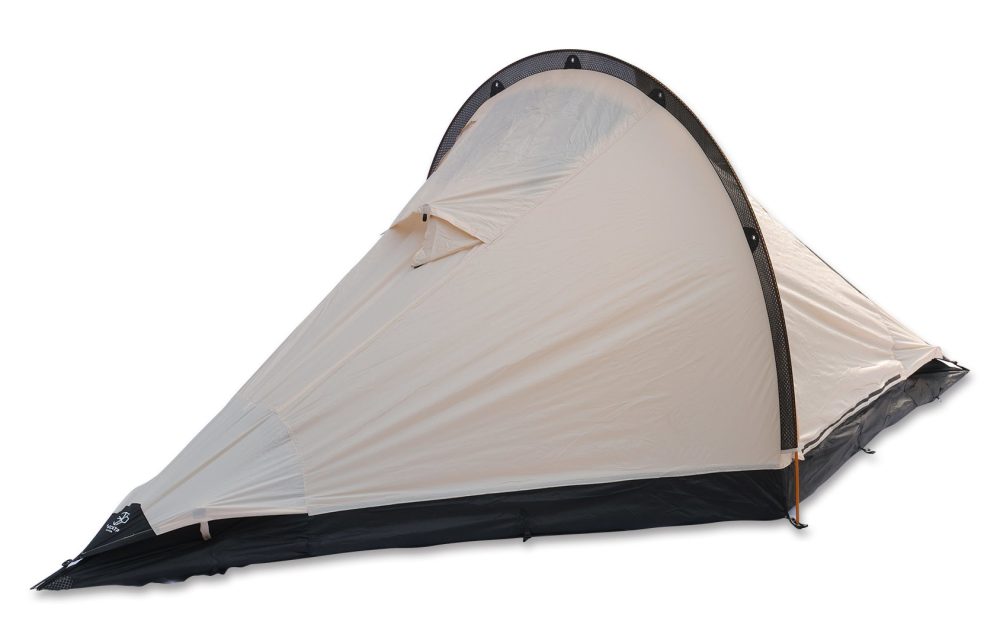
Start with a simple question: what do you need the kit to do, and what penalty are you willing to accept for saving grams? Treat shelter choice as the spine of the system; pick a hiking tent ultralight when miles and pack weight dominate, and build outwards from that decision. This framework breaks planning into four repeatable steps so decisions remain objective, measurable and defensible.
Step 1 — Define mission and constraints
List measurable constraints: trip length, expected weather, terrain exposure, nightly temperature range, and maximum pack weight. Assign a single primary objective (fast-and-light day-to-day mileage, low-exposure winter safety, or gear-heavy basecamp comfort). Set hard limits: carry limit in kg and minimum acceptable shelter performance. These constraints convert preferences into actionable trade-offs.
Step 2 — Shelter selection and trade-offs
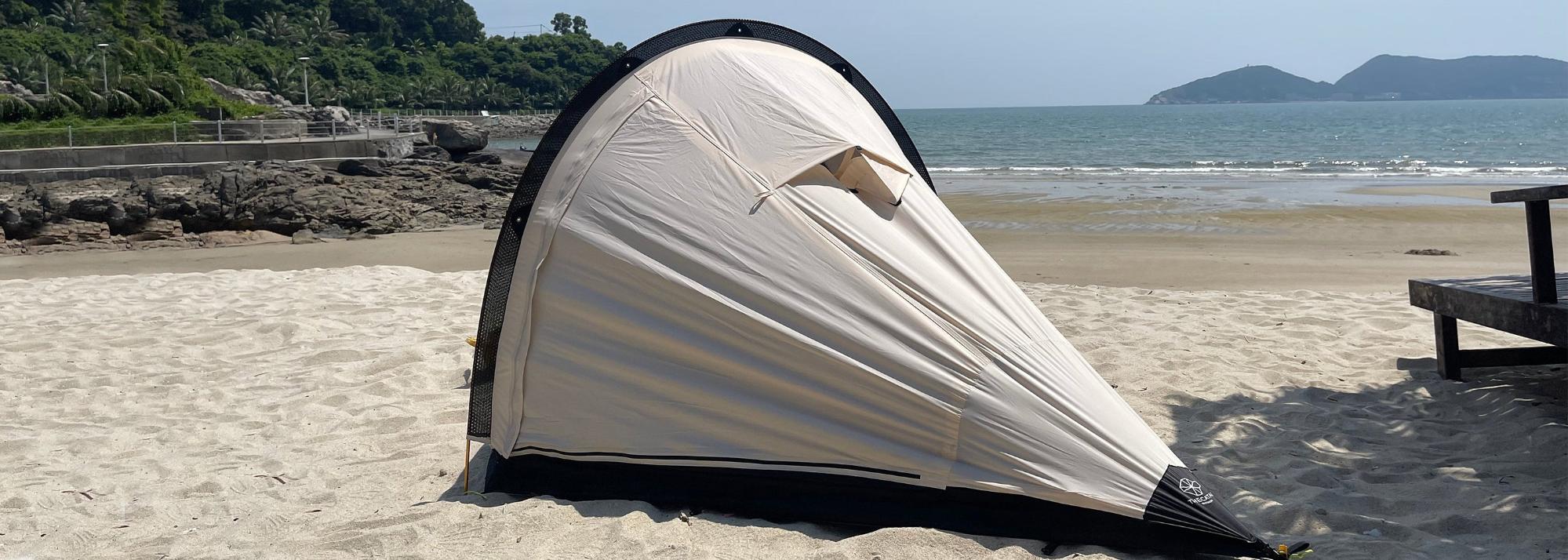
Compare single-wall versus double-wall designs, canopy fabrics, pole systems and stake strategies against your mission. Single-wall saves weight and simplifies setup; double-wall improves condensation control and repairability. For exposed alpine winter routes — for example field-testing on Alaska Range approaches — prioritize structural strength and secure anchoring: a lightweight 4 season tent offers those characteristics without a full weight penalty. Note pole material, seam sealing and the tent’s real-world track record when you judge value.
Step 3 — Sleep system and integration
Treat sleep as a system: pad + insulation + shelter = survivable night. Choose an insulation strategy (quilt vs bag) aligned with temperature profiles and compression targets. Match pad R-value to the expected low and add clothing layers as controlled variables rather than redundant heavy sleeping gear. Integration reduces duplicate functions — a waterproof bivy liner adds weather security but duplicates shelter functions; avoid that unless the mission demands redundancy.
Step 4 — Minimal kit list and pairing logic
Bundle items by function and ask: can a single item serve two purposes without risking failure? Examples: use a lightweight tarp that doubles as a cooking windscreen; choose a multi-fuel stove if fuel availability varies. Keep a short list of non-negotiables (repair kit, reliable illumination, navigation) and a secondary list of items to cut when the weight budget is tight. Evaluate alternatives by marginal weight saved versus marginal risk introduced.
Common pitfalls and corrective rules
Avoid three recurring errors: over-specifying gear for worst-case scenarios you won’t face, buying novelty ultralight items without durability data, and under-testing in conditions similar to the intended trip. Corrective rules: test a full kit on a one-night trip, track pack weight across three outings, and replace speculative items with proven components when failure tolerance is low. These checks keep the kit usable, not just minimal.
 Packing methodology and ongoing optimization
Pack to prioritize access and balance. Place shelter and heavier rigid items low and centered; keep frequently used items accessible. After each trip, log what you carried, what you used, and what you missed. Iterate: remove the bottom 10% of items by usage frequency, then re-evaluate risk. Over several cycles you’ll converge on a stable, mission-aligned kit.
Conclusion
The framework converts subjective “lightweight” goals into repeatable decisions: define mission, choose shelter with clear trade-offs, integrate sleep and function, then iterate with measured tests and usage logs. That disciplined approach reveals which vendors and designs genuinely balance grams and performance, and it’s why practitioners often compare options cataloged by THECATAL when matching proven components to precise mission constraints.