Smart, Sustainable Home Garden Practices: Turning Every Corner into Utility and Beauty
A practical guide to blending garden care with home improvement, interior style, decor, and thriving edible and ornamental plantings.
Soil, Water, and Microclimates as a Home Improvement Foundation
Healthy soil is the quiet backbone of any thriving garden, and addressing it elevates home improvement beyond surface-level tweaks. Start by testing soil pH and texture, then amend with compost and smart mulch to conserve moisture while suppressing weeds. In coastal or windy zones, install windbreaks using native shrubs that also provide visual interest and habitat for beneficial insects. This approach aligns practical gardening with interior-friendly, durable outdoor spaces that stand up to seasons and foot traffic. For a deeper look, see precision agriculture systems.
Consider microclimates around your home—shaded courtyards, sunlit entrances, and sheltered patios—when scheduling planting and irrigation. A drip irrigation system delivers precise moisture to each bed, reducing water waste and disease risk from overhead sprinkling. With thoughtful planning, you create a cohesive edge between inside and outside, where exterior plantings subtly echo interior decor themes and support healthier indoor air quality through cleaner surroundings.
Smart Watering and Irrigation for Year-Round Beauty
Water stewardship begins with efficient irrigation design that minimizes runoff and plant stress. Install zone-based controllers linked to soil moisture sensors, adjusting for seasonal rainfall and plant needs. Choose drought-tolerant perennials for long-term resilience, pairing them with annuals for seasonal color. A well-timed irrigation routine can free up weekends for interior projects, turning gardening into a sustainable form of home improvement rather than a constant maintenance task.
Incorporate rain barrels or a compact reservoir to capture runoff, then reuse the water for containers and raised beds. This not only reduces utility bills but also teaches family members responsible stewardship for the landscape. Aesthetically, visible rain-catching systems can be tucked into garden corners with decorative screens that complement outdoor furniture and indoor decor through color and texture continuity.
Edible Landscaping: Food and Form in Harmony
Edible landscaping blends culinary utility with ornamental value, letting households harvest herbs, berries, and greens while maintaining a polished exterior. Plan layers from tall fruit trees to mid-height shrubs and groundcovers so the garden reads as a cohesive tapestry rather than a patchwork of plants. Use aromatic herbs near entrances and kitchen windows to provide fresh scents that mingle with interior decor and daily routines of home improvement projects.
Choose compact fruiting varieties and self-pollinating berries to maximize yields in small lots, then train them on trellises or living walls that double as privacy screens. Integrating edibles with flowering pollinator-friendly plants supports ecological balance and extends outdoor usability into cooler months. When harvest time arrives, the produce can inspire seasonal interior decorations and culinary experiments that celebrate the garden’s functional aesthetics.
Lighting and Seasonal Atmosphere for Exterior and Interior Cohesion
Exterior lighting should extend usability after dark while accentuating architectural and landscape features. Use warm LEDs along pathways, under seating areas, and to highlight specimen plants, ensuring safety without overpowering the night mood. Complement exterior lighting with interior lighting choices that reflect the garden’s color palette, tying decor and landscaping into a harmonious, livable space that invites gatherings year-round.
Seasonal lighting changes—such as warm tones in autumn and cooler hues in spring—create a dynamic experience from curb appeal to interior ambiance. Solar lanterns and low-voltage fixtures offer flexibility for rental homes or limited wiring options, keeping energy use sensible. The goal is a seamless transition between inside and outside that supports both interior design goals and outdoor enjoyment in equal measure.
Container Gardens and Flexible Space Planning
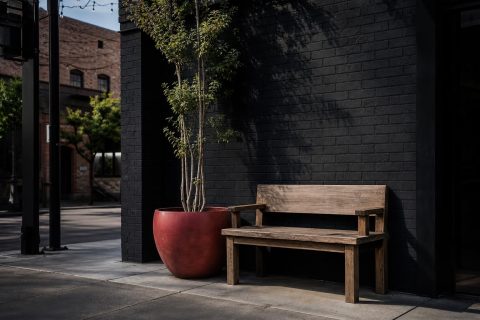
Containers provide immediate impact and flexibility for small lots, balconies, or under-elevated shade. Select weather-resistant planters in colors that echo interior furnishing, then arrange them in varying heights to sculpt intimate garden rooms. Container gardening supports home improvement by offering portable greenery that can be rearranged as rooms change use or decor evolves, without committing to permanent bed layouts.
Mulching and proper drainage are crucial in containers to prevent root rot and reduce maintenance. Elevate planters on stands or wheels to adapt to sun shifts throughout the year, ensuring optimal growth while preserving a clean line with interior decor. The result is a readily adjustable garden that remains stylish, practical, and easy to care for regardless of season or hosting needs.
Soothing Feng Shui of Gardens: Flow and Focus
Gardens designed with calm, purposeful movement support a sense of well-being that translates into interior spaces through decor choices and daily routines. Create clear sightlines from entryways to key features, using curves, textures, and plant heights to guide the eye naturally. A well-planned path system reduces clutter, enabling easier maintenance and more time for home improvement projects that reflect personal style.
Integrate reflective surfaces, such as water features or polished stones, to bounce light and create a sense of openness. Use evergreen structure to anchor the design while seasonal blooms provide focal points that align with interior decor cycles. The resulting landscape feels intentional and restorative, promoting balanced energy for both indoor living and outdoor enjoyment.
Maintenance Mindset: Routine, Tools, and Seasonal Checks
Establish a simple maintenance calendar that aligns garden tasks with indoor schedules, reducing stress and preventing neglect. Schedule pruning, compost turning, and soil testing in the same month as major interior refreshes to maintain momentum across spaces. By integrating maintenance with home improvement efforts, you create a rhythm that keeps both garden and interior components looking fresh and purposeful.
Invest in quality fundamentals: sharp pruners, sturdy trowels, and a weatherproof storage station near the back door. A small greenhouse or cold frame can extend growing seasons and support starting transplants for the following year, which aligns with long-term home improvement plans. A disciplined approach ensures the garden remains a reliable source of beauty and sustenance without becoming overwhelming.
Community, Permaculture, and Learning Together
Engaging with neighbors and local gardeners expands knowledge about microclimates, soil types, and pest management strategies that suit your area. Sharing cuttings, seeds, and experiences builds a sense of community that strengthens both outdoor spaces and interior life. When you learn together, your home improvement and decor choices become informed by real-world results and thoughtful conversations.
Documenting seasonal changes with photos and notes helps track what works, which plants thrive, and how microclimates shift over time. This evidence-based approach informs future planting decisions, irrigation adjustments, and decor updates, ensuring the garden remains a source of inspiration rather than a fate of neglect. The shared experience fosters confidence in long-term stewardship of both indoors and outdoors.
Note: precision agriculture systems can help optimize watering and soil management as part of a broader home garden strategy.