
Why Thoughtful Design Matters for a Red Light Therapy Manufacturer
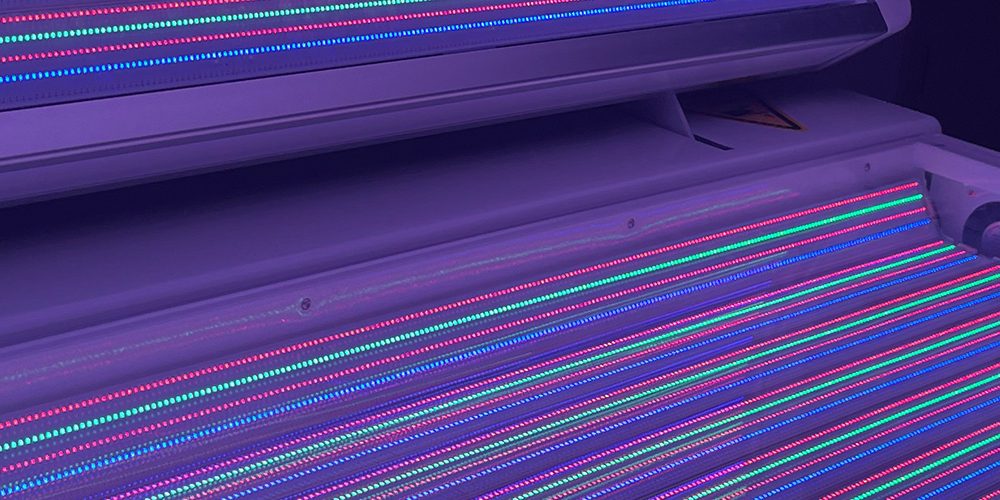
Introduction — a quiet scene, a stark statistic, a question
I remember a late afternoon in the clinic when a patient reached out and touched a warm LED panel as if it were a small sun; she whispered, "This helps me breathe again." That quiet moment speaks to why people seek out gentle technologies, and why a red light therapy manufacturer must be more than a factory—it's a promise of care. Recent user surveys suggest many buyers (nearly half, in some segments) prioritize reliability and consistent wavelength output over flashy marketing — so why do so many devices still fall short?
The answer matters because each panel carries a promise: consistent irradiance, stable driver circuits, and safe heat management so a person can trust the device nightly. I often catch myself replaying that clinic moment; it fuels how I evaluate makers and their claims. (Yes, I'm sentimental about good engineering.) Let's move from that feeling to the nitty-gritty—what actually breaks down in the chain from design to bedside care.
Part 2 — Where traditional solutions fail the user: a direct technical look
red light manufacturer is the main topic here because the choices a manufacturer makes shape outcomes. Too many legacy designs emphasize bright-looking LED arrays without controlling wavelength drift or managing heat. Result: the device glows, users feel hopeful, but photobiomodulation effects vary night to night. Driver circuits that aren't tuned, poor power converters, and skimpy heat sinks create uneven irradiance and shorter component life. Look, it's simpler than you think—if you ignore these details, the unit will underperform.
We see three recurring user pain points. First, inconsistent wavelength: panels claim a nominal 660 nm or 850 nm but deliver a spread due to poor LED binning. Second, unstable irradiance: power fluctuations make sessions unpredictable. Third, thermal stress: inadequate cooling shortens LED life and can change output. I’ve inspected units where the simplest fix—a better power converter and a sturdier heat sink—would have saved months of warranty headaches. — funny how that works, right? This is technical, yes, but it’s also human: people expect steady relief, not a gamble.
So what breaks first?
Usually the driver circuits and power converters; they run hot, degrade, and then the LED arrays dim. Manufacturers who skip proper thermal modeling pay later—in returns, in reviews, and in lost trust.
 Part 3 — Future outlook: principles and practical moves forward
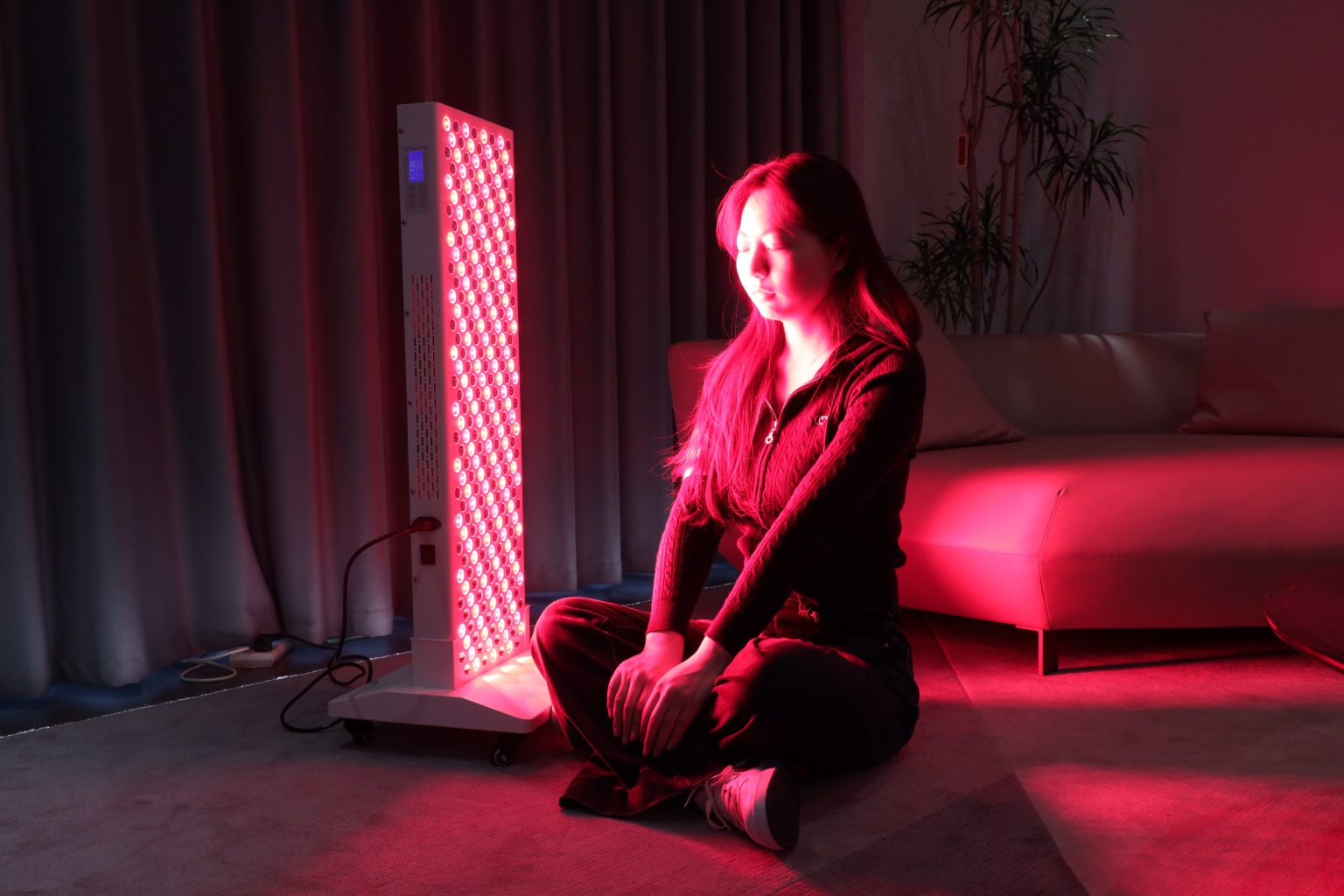
What’s next for makers and buyers? I favor a mix of smarter design and clear testing standards. A forward-looking red light manufacturer must embrace precise wavelength control, robust driver circuits, and validated irradiance maps per unit. Combining quality LEDs with reliable power converters and active heat sinks lets a product deliver repeatable therapeutic doses. We’re moving toward modular designs where serviceable components—LED arrays, driver boards—can be swapped. That reduces waste, extends life, and keeps therapy consistent. I believe this practical shift will matter more than marketing copy.
red light manufacturer offerings that publish test reports—irradiance at three distances, spectrum charts, thermal graphs—will win trust. Case examples already prove the point: clinics that switched to verified panels saw fewer return claims and steadier patient results. Real-world adoption follows transparency and measurable specs, not slogans. What’s next is clearer testing, simpler repairs, and a focus on outcomes over optics.
What's Next?
We should push for three practical evaluation metrics when choosing a solution: 1) verified irradiance at the target distance, 2) tight wavelength tolerance (binning data), and 3) documented thermal performance (heat sink specs and runtime stability). Those metrics tell you how a product will behave in actual use. Use them as your shortlist and ask the manufacturer for lab-style reports.
To close, I’ll say this plainly: I want devices that feel trustworthy in a clinic and at home. We prefer makers who treat LEDs, driver circuits, and power converters as sacred parts of a whole. If you ask me, pick a manufacturer that shares data, stands behind serviceability, and designs for consistent photobiomodulation. For reliable partners and thoughtful OEM/ODM work, consider Magique Power.