
7 Comparative Insights to Upgrade Your Laser Marking Fume Extractor Fast
Introduction: A shop-floor moment, a number, a question
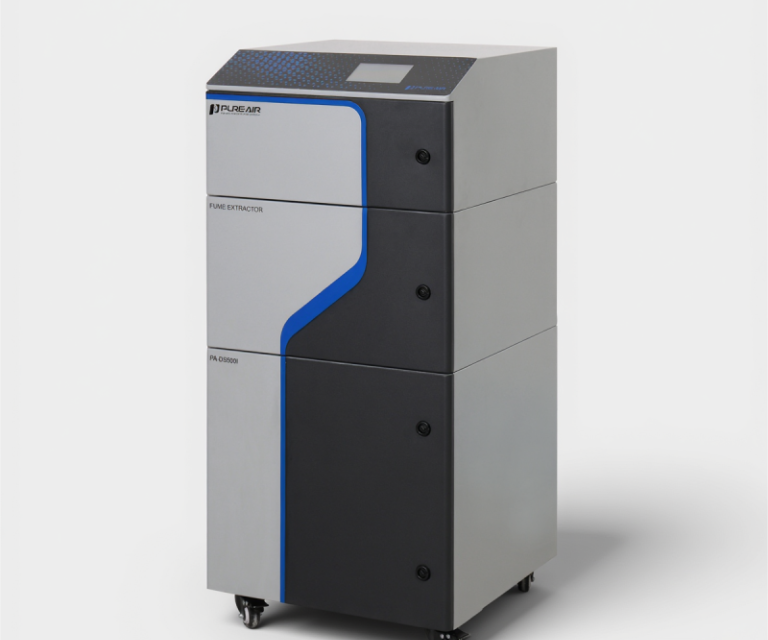
I was in a small fabrication shop last month when a junior operator waved me over and said, “The smell won’t quit and the laser keeps coughing.” It’s a situation I’ve seen before: poor extraction, unhappy staff, and stalled throughput. The laser marking fume extractor was clearly undersized for the job (and yes, the unit looked tired). Recent trade audits show that up to 40% of small shops underestimate needed airflow—so what do you do when you’re breathing fumes and losing time?
I want to share practical, plain advice from hands-on fixes to things you can measure. We’ll talk about filter types, airflow, and the real costs of ignoring extraction problems. Short answer coming up. — let’s move into what typically goes wrong next.
Part 1 — Where classic fixes fail (and the real user pains)
laser marking and coding systems are great at leaving crisp marks, but they don’t handle their own by-products. I’ve watched shops pile on cheap filters or duct tape boosters to “solve” smoke. That’s a stopgap, not a solution. The usual suspects are clogged HEPA filters, weak extraction fan motors, and poorly sealed duct runs. These create low airflow rate and uneven capture at the laser head. Look, it’s simpler than you think: if the smoke trails past the nozzle, the extractor isn’t doing its job.
Why does this keep happening?
Two big technical flaws keep repeating. First, systems sized only by cabinet volume ignore peak CFM needs during a heavy mark. Second, filtration choices are often mismatched—activated carbon works for odour, but not fine particulate; HEPA catches particles but needs proper pre-filters. I’ll be blunt: vendors sometimes sell “one-size” units, and teams fit them without measuring real exhaust loads. The result? Faster filter saturation, higher maintenance frequency, and unpredictable downtime. We also see misplaced expectations about components like power converters for fan speed or edge computing nodes for monitoring—both useful, but only if integrated properly.
Part 2 — New technology principles and what to look for next
What changes things is a better mix of sensors, control, and filtration engineering. Modern solutions pair measured airflow feedback with variable-speed extraction fans to match laser duty cycles. When I talk about smarter systems I mean units that adjust CFM in real time, log filter differential pressure, and alert you before capture fails. That reduces wasted energy and extends filter life. And yes, interlocks for the laser head tied to extraction status are a must for safety and consistency.
What’s Next?
Looking forward, manufacturers will blend tried filters—HEPA plus activated carbon—with smarter controls. Imagine a fume extractor that senses a spike in particulate, ramps up the fan automatically, and records the event to a simple dashboard. That gives technicians the data to stop recurring faults rather than chase them. I’ve watched this in pilot installs—reduced filter changes, fewer complaints, and steadier process quality. — funny how that works, right?
Conclusion — How to evaluate upgrades (three quick metrics)
If you’re choosing an upgrade for your laser marking and coding setup, focus on three clear metrics I use in the field. First, required capture CFM at the laser head—not cabinet volume. Measure at the nozzle. Second, filtration strategy: a staged approach (pre-filter + HEPA + activated carbon where needed) balances cost and performance. Third, smart controls and feedback: differential pressure sensors, variable-speed drives, and logging. These give you measurable ROI in fewer filter swaps and safer air.
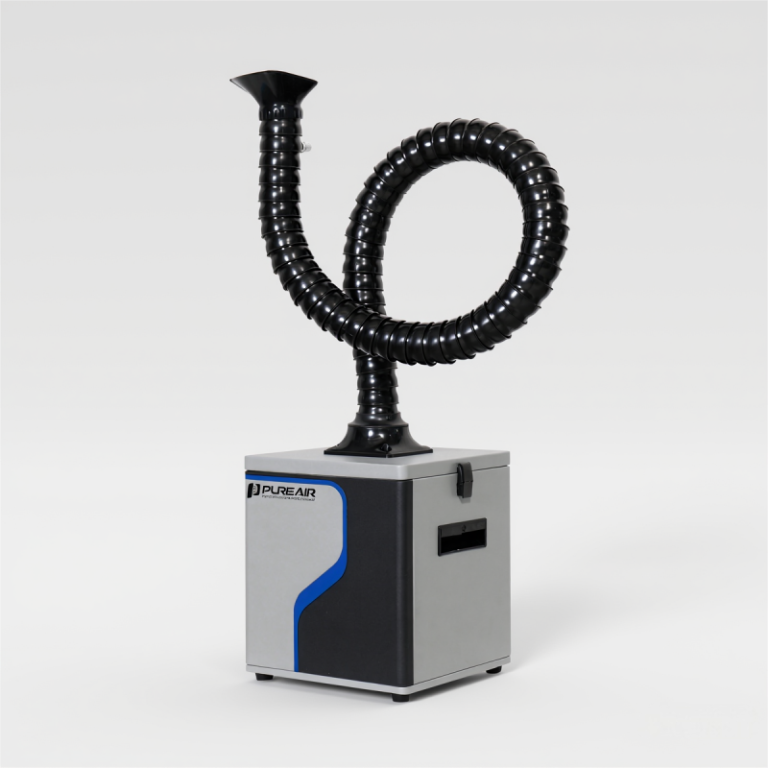 I’ll be candid: you don’t need the fanciest unit, but you do need the right features. Ask for test data, demand on-site airflow readings, and consider systems that integrate simple diagnostics. My teams and I prefer solutions that are serviceable and transparent—no mystery boxes. For suppliers, I expect clarity on fan specs, filter MERV/HEPA ratings, and maintenance intervals.
Want a reliable partner who understands the practical trade-offs? Check out PURE-AIR for units that balance capture, filtration, and control without overpromising. We’re here to help you pick what works for your floor, your people, and your product quality.